


The NEOM project is the flagship initiative of Vision 2030 and Saudi Arabia’s largest urban development project, covering over 26,000 square kilometers on the Red Sea coast. The concept includes several zones: The Line, Oxagon, Trojena, Sindalah, as well as unique developments such as Aquellum and Zardun.
The most ambitious component—the 170-kilometer-long linear city of The Line—was significantly adjusted in 2024. According to the latest reports, the first phase will be only 2.4 kilometers long, and the target population by 2030 has been reduced to 300,000. The reasons for the adjustment include high costs (over $1 trillion), engineering complexity, staffing shortages, and design revisions.
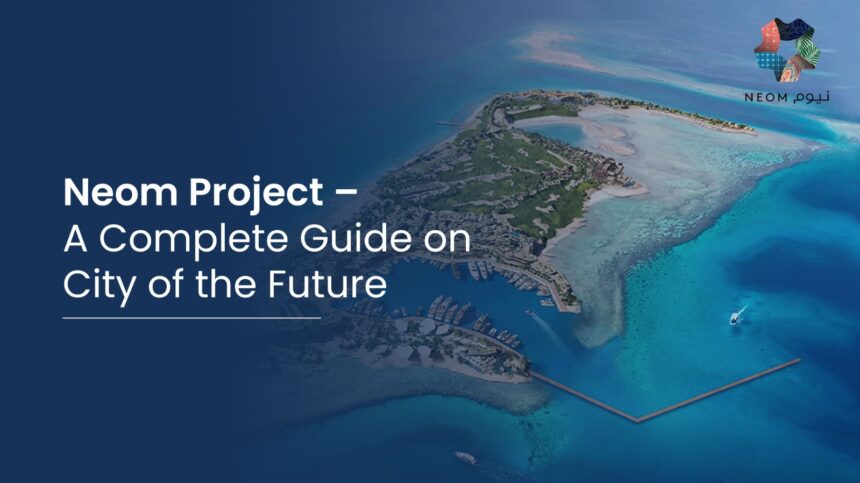
Despite this, development of other clusters continues. Oxagon is being developed as an industrial and logistics hub focused on hydrogen energy and automated technologies, with the participation of Air Products, ACWA Power, and other partners. Trojena is positioned as a year-round mountain resort and the official host of the 2029 Asian Winter Games. Sindalah is NEOM’s first open tourist island, welcoming guests from 2024. Aquellum, an underground city built into a coastal cliff, was announced in January 2024 and is being developed as an experimental digital environment with vertical logistics and an “inverted tower.”
Construction of NEOM International Airport (NUM) continues: domestic flights have opened, and preparations for the international phase have begun.
The NEOM project is not on hold, but has been transitioned to an adapted implementation mode—with a phased schedule, zone prioritization, and resource redistribution.
Amid a general shortage of qualified contractors and engineering personnel, there remains a steady demand for construction teams, particularly in the engineering infrastructure, monolithic, finishing, and specialized work sectors. This opens opportunities for foreign companies committed to high production discipline, quality, and deadline compliance.
Construction and infrastructure expert Igor Bukato added that the NEOM project is not just an urban development experiment, but a global challenge to traditional notions of territorial development. Its adaptation does not signal a scrapping of plans, but a mature approach to managing scale, risk, and resources.